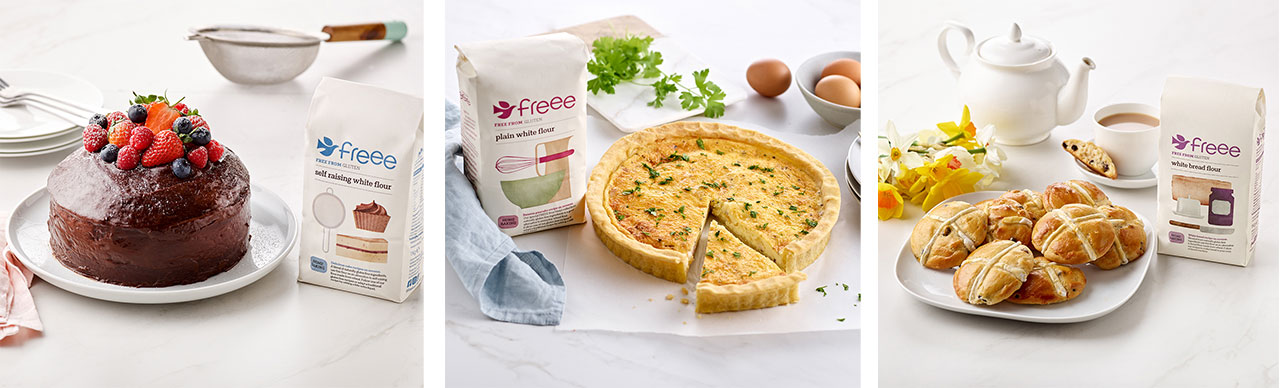
Gluten intolerance is becoming increasingly common in the UK and can manifest in a range of symptoms including bloating, diarrhoea, constipation, stomach pain, headaches, fatigue, depression and anxiety. This is the most common form of gluten sensitivity, but about 1% of the population suffer from a much more serious auto-immune condition called Coeliac disease. For individuals with Coeliac disease, gluten causes damage to the intestinal lining, so it is vital to avoid it if you have this condition – see more below.
What is gluten?
Gluten is the name for a group of proteins that are found in wheat, barley and rye. Modern wheat contains much higher levels of gluten than older wheat varieties such as Spelt wheat, Kamut or Khorasan wheat, but no variety of wheat is completely gluten-free. Those with any form of gluten sensitivity or wheat allergy should avoid all of these grains.
Coeliac disease
Coeliac disease – known in the US as Celiac disease, is a genetic autoimmune disorder that means that ingesting gluten triggers an immune response that can damage the lining of the small intestine. It can lead to inflammation and atrophy of villi, tiny finger-like projections in the intestine that are responsible for nutrient absorption. As a result of this, people with Coeliac disease can experience symptoms like diarrhoea, bloating, fatigue, and malnutrition. Over time, if left untreated, it can lead to severe health problems such as anaemia, osteoporosis and weight loss.
Watch out for ‘hidden gluten’
It is important to note that certain foods such as some soya sauces, pasta sauces, soups, dressings and gravy mixes often contain gluten-containing ingredients that may not be immediately obvious. Ingredients like malt vinegar, soya sauce and salad dressings often secretly contain traces of gluten, without indicating them on the label at all. If you are a Coeliac be especially on guard about this and look for products that are clearly labelled as gluten-free. Don’t just rely on the fact that you can’t see a gluten containing ingredient on the ingredients panel!
What about oats?
There is often confusion surrounding the issue of oats and gluten. Gluten is not found naturally in oats at all, but oats are often cross grown with other crops. In other words, the fields that they are grown in are used to grow other grains or crops in between crops of oats. This means that during harvesting, small amounts of other grains such as wheat may get mixed with the oat harvest, causing cross contamination. Storage facilities and food production facilities may also be shared between different grains, so unless oats are specifically indicated as being gluten-free by the manufacturer, they may contain traces of gluten. These traces may be enough to cause problems for those with severe gluten intolerance, and may be dangerous to Coeliacs. To produce gluten-free oats, manufacturers control production completely, from field to factory, ensuring that there is no wheat or other grains mixed with the oats. It is worth noting that even gluten-free oats contain a similar protein to gluten, called avenin, which some people can be sensitive to as well.
What does ‘may contain traces of gluten’ mean?
In the UK, anything that is labelled gluten-free must be tested to contain less than 20 parts per million (ppm) of gluten. This means these foods are safe for coeliacs, who may react to even the smallest amounts of gluten in foods. If the product you are looking at doesn’t say this, then it really isn’t safe for coeliacs. However, if you have a mild intolerance to gluten, or are just choosing to cut down on gluten in your diet, then products that are not made in a gluten-controlled environment may be okay for you, such as those labelled with the warning ‘May contain traces of gluten.’
If barley contains gluten, how can you get gluten-free beer?
Although gluten-free beer is made from barley, the gluten is removed during the brewing process. In the UK, for it to be labelled as gluten-free, it must contain less than 20 parts per million (ppm) of gluten (see above).
If a food is gluten-free is it guaranteed to be wheat-free as well?
Not necessarily! Gluten is a protein found in wheat but if you have a wheat intolerance some gluten-free products may still be unsuitable for you, as you may be reacting to something other than gluten in the wheat. Some gluten-free products actually use gluten-free wheat starch, also known as codex wheat starch. Products that use codex wheat starch must label wheat as an allergen in bold in the ingredients list, for the benefit of people with a wheat allergy, but it is sometimes a source of confusion.
Is sourdough bread gluten-free?
Sourdough bread is made by allowing the dough to ferment using naturally occurring lactobacillacae and yeast before baking. The fermentation process produces lactic which gives the bread a sour taste and improves its keeping qualities. This fermentation also partly digests the gluten found in wheat and as a result sourdough bread often has far less gluten than other types of wheat bread, but the amount can vary greatly. If you have Coeliac disease you must always avoid it. Those with very mild gluten sensitivity may find it okay, but it will depend on the individual and the sourdough in question.
What can I eat instead?
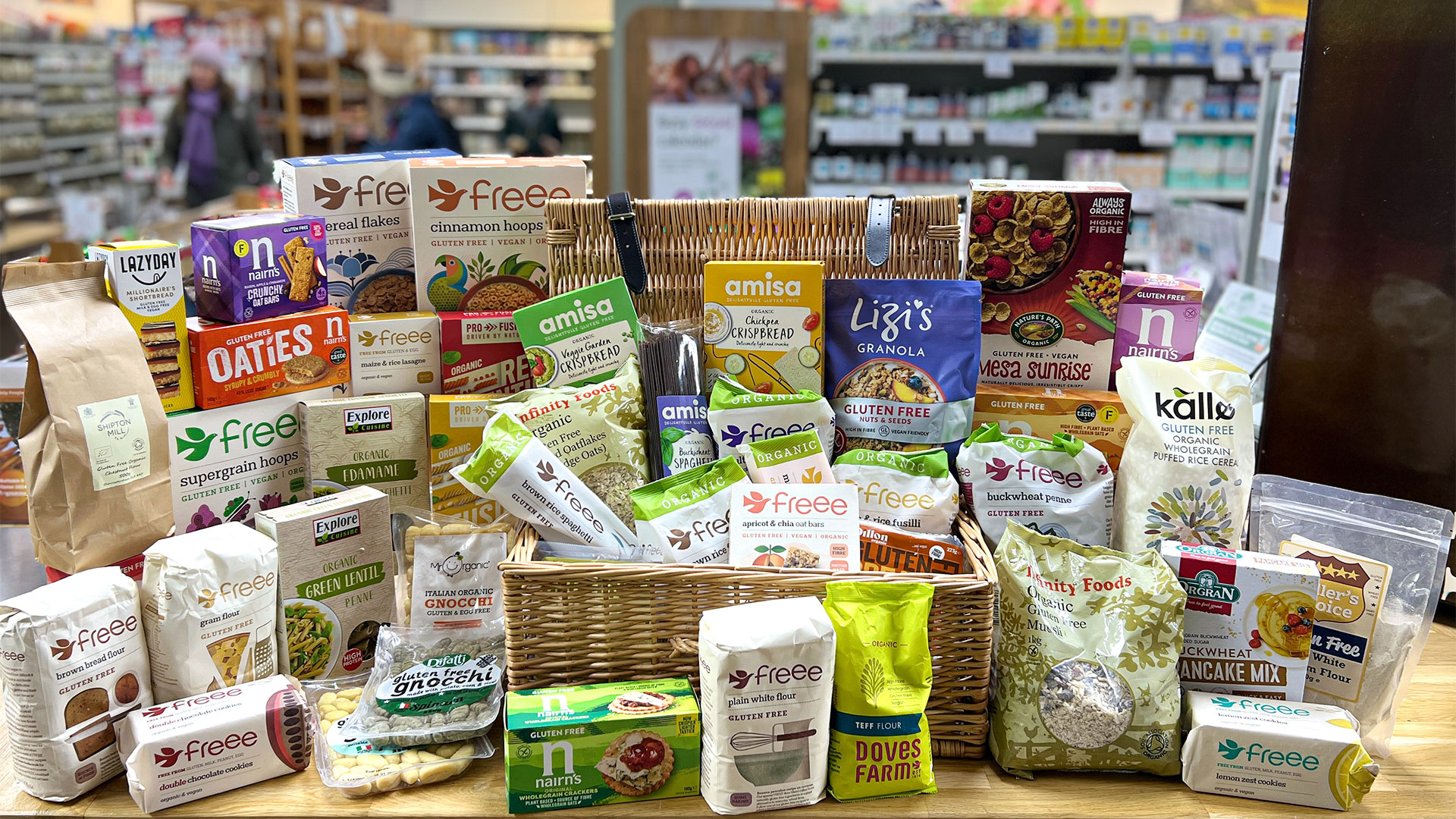
In some ways, it has never been easier to go gluten-free. There are now an incredible variety of packaged gluten-free products available on the market, everything from breads, crackers, breakfast cereals and pasta to pasta sauces, pancake mixes, desserts and snacks. It is advisable to make yourself familiar with the universal ‘cross-grain’ symbol – indicating that a product is gluten-free and suitable for Coeliacs.
There are many grains and other foods that are used in place of wheat in gluten-free cooking and baking, so if you are a keen baker or like to make your own fresh bread, there are plenty of options out there for making gluten-free versions of all of your favourite bakes. Some gluten-free flours and recipes may include blends of these.
The following gluten-free grains and flours are commonly found in gluten-free foods:
Amaranth, Buckwheat, Chestnut flour, Corn, Coconut flour, Gram flour (Chickpea flour), Hemp flour, Lupin, Millet, Pea flour, Potatoes, Quinoa, Rice flour, Sorghum, Soya flour, Tapioca (from Cassava), Teff.
It is important to note that some buckwheat flours are a mix of wheat flour and buckwheat flour. Always check that the product is labelled gluten-free.
Gluten-free Greenlife
At Greenlife, we have a huge range of flours for all of your gluten-free baking needs, plus gluten-free breakfast cereals, pasta, savoury crackers, breads, biscuits, cakes and much more. Twice a week, we get deliveries of award-winning fresh gluten-free bread from The Bakery By Knife & Fork. It is delivered sliced and is suitable for freezing, so you can enjoy fresh bread again! The bread is so popular that it often sells out, but you can send up a standing order if you want to make sure you don’t miss out. Please ask a member of staff for more information.
Useful resources
This list is by no means exhaustive, but we think all of these are worth checking out:
Coeliac UK
Coeliac UK have a fantastic website packed full of useful information, including their gluten-free Hub a great place to go to get the tools for a life without gluten, an excellent Venue Guide listing 7,000 venues around the UK where you can eat out safely if you have coeliac disease. The site also boasts a list of more than 1,000 recipes, and a food and drink database that lists nearly 150,000 gluten-free and mainstream products. To help you navigate what is or isn’t guaranteed to be gluten-free and safe, Coeliac UK also have a fantastic Barcode Scanner App that you can download from their website and use to check products before you buy.
www.coeliac.org.uk
The Key To Gluten Free
An excellent site set up by a Coeliac offering tips and insights into making the transition to a gluten-free diet.
www.thekeytoglutenfree.com
Celiac.com
This U.S. website has lots of great information for Celiacs (Coeliacs), including tons of blogs, videos, news articles, updates on research plus a moderated forum. It’s funded entirely by advertising, not by selling products.
www.celiac.com
The Gluten Free Blogger
Blogger Sarah Howells has a good informative site with regular blogs, tips for Coeliacs, a comprehensive FAQ section and gluten-free recipes, one hundred of which are published in her cookbook ‘Delicious Gluten Free Meals.’
www.theglutenfreeblogger.com
Freee
Freee foods is probably the UK’s biggest gluten-free flour brand. We sell an extensive range of their flours, plus many of their popular gluten-free biscuits, pasta, breakfast cereals and flapjacks in Greenlife. All Freee products are certified gluten-free by Coeliac UK, the UK’s leading authority on gluten-free living. Their website hosts pages of great gluten-free baking tips and literally hundreds of great recipes, so it’s well worth a look.
www.freee-foods.co.uk