

Why Fairtrade Matters Now More Than Ever
“There is a chain on earth that starts where the producers are. They are the ones who suffer the consequences of climate change, the ones who get the least help, and carry all of the burden. It’s not fair.” Bayardo Betanco, Fairtrade coffee farmer and member of the Prodecoop Co-op, Nicaragua.
It is increasingly obvious that our climate and nature are in crisis, and while the science and the possible causes may be debated by different camps, nobody can doubt the reality of extreme weather events we are facing with increasing frequency. Many countries in the Northern hemisphere are facing damaging floods, wildfires and damage to coastlines from more frequent extreme weather – such as the recent devastation to the beautiful Slapton sands just along the coast from us. At Greenlife we know from speaking to our local farm suppliers that they are facing significant challenges due to unusual weather patterns, increased rainfall and unseasonal temperatures.
However – the impact of a changing climate on the millions of farmers in the developing world who grow many of our favourite crops such as cocoa, coffee, tea, sugar and bananas, has already caused huge problems our multinational corporation led food industry is simply not doing enough to mitigate.
Millions of farmers, workers, their families and communities already live with the very real impacts of climate change, extreme weather and biodiversity loss. The Fairtrade Foundation doesn’t just work to ensure fairer working conditions; it also works extremely hard to address these problems. We have all noticed rising prices for our chocolate bars and our coffee, but what is not so obvious is that very little of the extra money levied on these goods is actually reaching the people who produce them.
The Fairtrade Foundation mark means:
Fairer prices – They set a Minimum Price, a safety net that protects farmers and workers when market prices fall, but still allows them to earn more when prices rise again.
Fairtrade Premium – This really sets the Fairtrade Foundation apart from many of the other Fair Trade accreditation organisations. Farmers and workers receive the ‘Fairtrade Premium’ – a chunk of extra money which they can decide how to invest themselves, whether it’s for schools, healthcare, improved access to water, farming improvements or changes to provide protection and against climate change.
Fairer working rights – Fairtrade Foundation standards include rights at work, safe conditions, and democratic structures in producer cooperatives, ensuring farmers and workers have a stronger voice.
Ethical business partnerships – The Fairtrade Foundation works directly with brands, retailers, and governments, advising on ethical sourcing, certification, trade policy, and supply chain integrity.
Campaigning for trade justice – Through grassroot campaigner groups and lobbying, the Fairtrade Foundation build public support and push for fairer trade policies and practices, globally.
Rigorous standards & independent checks – The Fairtrade Foundation has created Fairtrade Standards with farmers and workers to ensure fair prices, safe working conditions, and democratic workplaces.
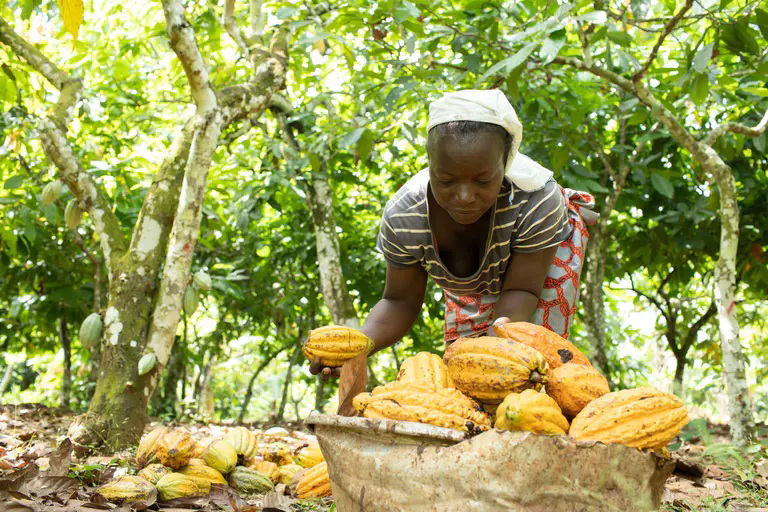
Building climate resilience & sustainable futures
The Fairtrade Foundation supports smallholder farms to adopt climate-smart practices, to improve crop quality, and invest in their long-term resilience. Many of the small businesses and farmer owned Co-ops that they work with need support and help in furthering solutions to problems stemming from extreme weather events, climate instability and shifting weather patterns.
Fairtrade’s unique producer networks in Africa, Asia-Pacific, and Latin America are led by farmers and workers themselves. They provide local expertise, practical training, and support to the communities where Fairtrade products are grown. Very often, solutions to problems come from the farmers themselves – they are aware of what should be done to protect the future of farming, but are simply short of the resources to put these policies into action. Many producers of cocoa for example, are small holding farmers who simply don’t have the resources to implement the changes they need to protect their businesses from climate change.
By sharing ideas with other producers who have faced similar problems before, or by accessing training and education in new techniques and practices, and the resources to implement them, the Fairtrade Foundation is firmly supporting the future-proofing of the production of the chocolate, tea, coffee and cotton we all love.
Agroecology
The Fairtrade Foundation supports agroecology as their overarching approach to sustainable agriculture. This holistic approach is not just focused on environmental sustainability it also emphasises the need for economic justice and social movements to transform food systems. Agroecology includes farming practices such as organic farming, natural pest control, and agroforestry to reduce reliance on synthetic inputs to enhance climate resilience, mitigate climate change and crucially, to preserve biodiversity. The Fairtrade Foundation also supports incentives for increasing reforestation and reducing deforestation.
The FAO, the United Nation’s food and agriculture organisation, states that agroecology “seeks to optimise the interactions between plants, animals, humans, and the environment while taking into consideration the social aspects that need to be addressed for a sustainable and fair food system.” The intention is to bring about a fundamental transformation in our agri-food systems to combat rural poverty globally and adapt to climate change.
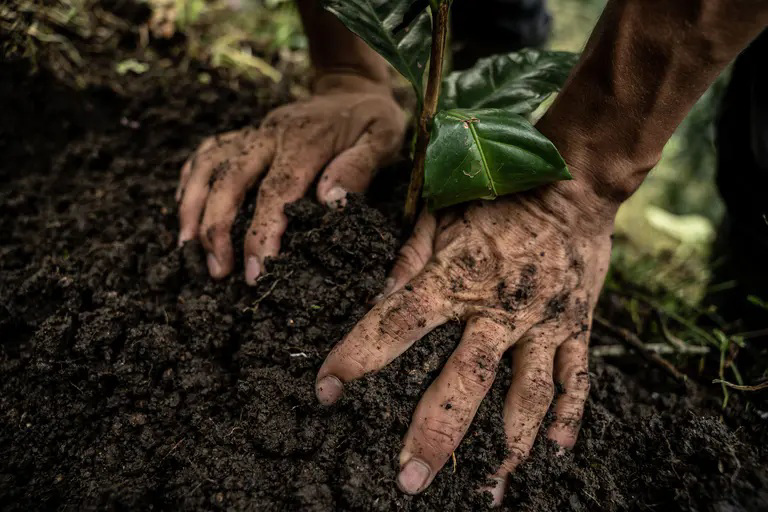
For example, agroecology promotes farming practices that recycle resources, reduce emissions and prioritise local supply chains. It promotes ‘climate resilient’ farming, which supports wildlife conservation and harnesses nature to do the hard work, such as pollinating crops and controlling pests.
Fairtrade International, a non-profit, multi-stakeholder organisation founded in 1997 with the mission of promoting fairer trading conditions, has adopted sustainable agricultural production policies (predominantly destined for international supply chains) that put agroecological principles and farming front and centre.
A real say for farmers and workers
The Fairtrade Foundation is unique in the fact that farmers and workers have representation at all levels of governance – including 50 percent of decision-making power in the general assembly. That means everyone has a voice, not just a seat. The millions of producers who are struggling to face changing growing conditions for the food we love shouldn’t be cut out of the conversation, or have their farming practices dictated to them by multinational corporations.
The future we face
Nobody can predict the future, but we can make some very informed guesses about what the future of the climate is likely to look like using climate modelling. The challenges we face are significant:
- By 2050 there is predicted to be an 8 – 12% reduction in global crop yields
- 50% of land currently used for coffee farming may no longer be usable by 2050 including large areas of Brazil, Central America, and South India that are facing severe risks from rising temperatures and decreased rainfall
- Increased water scarcity and erosion are impacting tea plantations, particularly in India
- Almost one half of the land currently dedicated to growing bananas could become unsuitable in the near future as bananas are sensitive to heatwaves and droughts
- Cocoa growing regions in West Africa – such as Côte d’Ivoire are likely to face increasing heat stress, impacting on their ability to produce cocoa. Africa produces over two-thirds of the world’s cocoa, primarily in the “cocoa belt” along the Gulf of Guinea. Côte d’Ivoire and Ghana currently provide nearly 60% of the world’s cocoa
So, Fairtrade is more than a label on your packet of coffee, chocolate bar, or bananas – it’s a way to make trade work better for the people behind our favourite products, and to help them to face the challenges of the future.
Supporting the producers of our favourite crops with current and future challenges is the right thing to do, and is a way to ensure that in ten or twenty years’ time, we will still be able to afford a morning coffee, an afternoon cuppa, and a delicious chocolate bar while watching that movie in the evening.