

Pollen season is definitely here. If you’ve started noticing more sneezing, itchy eyes, congestion or a runny nose, you’re certainly not alone.
For many people, hay fever becomes a yearly struggle, and while antihistamines can be helpful, there are also natural ways to support the body during this time of year.
In this blog, I’d like to share three simple areas to focus on when it comes to managing hay fever symptoms more naturally.
First, a quick refresher: what is histamine?
Histamine is a natural chemical released by the body as part of the immune response. It plays an important role in helping the body respond to potential threats. However, in the case of hay fever, the immune system reacts to something harmless, such as pollen, as though it were a danger.
This is what leads to common symptoms such as sneezing, itching, watery eyes, and a blocked or runny nose.
And what are mast cells?
Mast cells are part of the immune system and store histamine. When they come into contact with an allergen, such as pollen, they can release histamine into the body, which then contributes to those familiar hay fever symptoms.
Step 1: Support a balanced immune response
A well-supported immune system may be less likely to react so strongly to seasonal triggers.
Certain nutrients and natural compounds are often used to help support a more balanced immune response. For example, omega-3 fatty acids are well known for their role in supporting the body’s normal inflammatory processes, and reishi mushroom is often used in traditional practice as part of a broader approach to immune balance.
This can be a helpful place to start when the body seems to be overreacting to pollen and other seasonal allergens.
Step 2: Support mast cell stability
Another useful area to consider is mast cell stability.
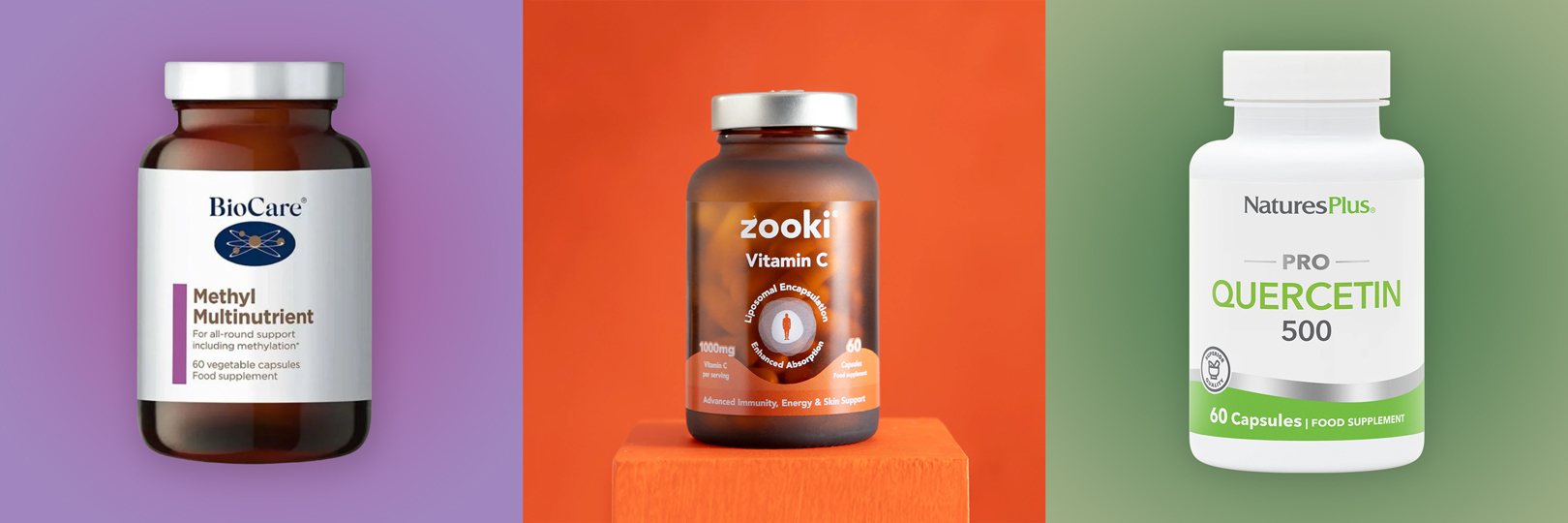
Quercetin, a natural plant compound found in foods such as onions and apples, is often chosen as seasonal support because of its role in helping to support the body’s natural response to histamine. Vitamin C is also commonly used alongside it.
In practice, this combination is one that many people turn to during spring and summer as part of their hay fever support routine.
Step 3: Support histamine breakdown
This is an area that is often overlooked, but it can be really important.
A simple way to think about histamine is like a tap, a sink and a drain.
The tap represents how much histamine is coming in or being produced. This can be influenced by things like pollen exposure, certain foods, and sometimes gut-related factors. The sink represents your body, where histamine builds up.
You can try to turn the tap down by reducing triggers, but that is only one part of the picture. The other important question is whether the drain is working efficiently.
If the drain is slow, histamine may build up more easily, and that can make symptoms feel worse.
The body breaks histamine down in a couple of main ways, including through an enzyme called DAO (diamine oxidase) in the gut, as well as other internal processes that rely on good overall nutrient status.
This is why supporting gut health, digestion and nutrient intake can be so important. Eating plenty of green vegetables and ensuring good nutritional foundations may help support these pathways. In some cases, a well-formulated methylated multinutrient may also be worth considering as part of a broader approach.
Bonus tip: reduce your overall histamine load
During peak pollen season, your body may simply have more histamine to deal with.
For some people, it can be helpful to reduce foods that are naturally high in histamine for a time, especially when symptoms are flaring. These may include things like aged cheeses, alcohol, processed meats, and fermented foods.
At the same time, it may be worth including more foods that contain naturally supportive plant compounds, such as:
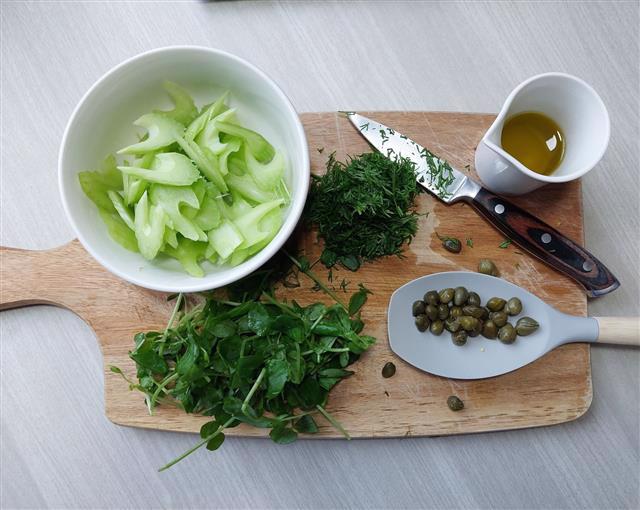
- Luteolin – found in celery, parsley and chamomile
- Apigenin – found in parsley, chamomile, celery and thyme
- Quercetin – found in onions, apples with the skin on, and buckwheat
These compounds are often included in a food-first approach to seasonal support.
If you’d like a little seasonal food inspiration, you can also have a look at my favourite pollen season salad recipe on Facebook here.
A gentle final thought
Hay fever can be frustrating, especially when it affects your sleep, energy and day-to-day comfort. But a few simple changes can sometimes make a real difference.
If you’d like support choosing supplements for hay fever season, feel free to pop into Greenlife and speak to one of us. We’ll be happy to help you find the most suitable options for you.
Looking for seasonal support?
Visit us at Greenlife, Totnes, where you’ll find these supplements and plenty more. If you’re unsure what may suit you best, feel free to speak to one of our Supplement Advisors — we’ll be happy to help.
About the author
Anika is a Supplement Advisor at Greenlife, with a special interest in natural approaches to everyday wellbeing. You can find out more about her work on her website and follow her on Facebook.
Important note
This article is intended for general wellbeing information and is not a substitute for medical advice. If your symptoms are severe, persistent, or you have any medical concerns, please speak to your GP.

