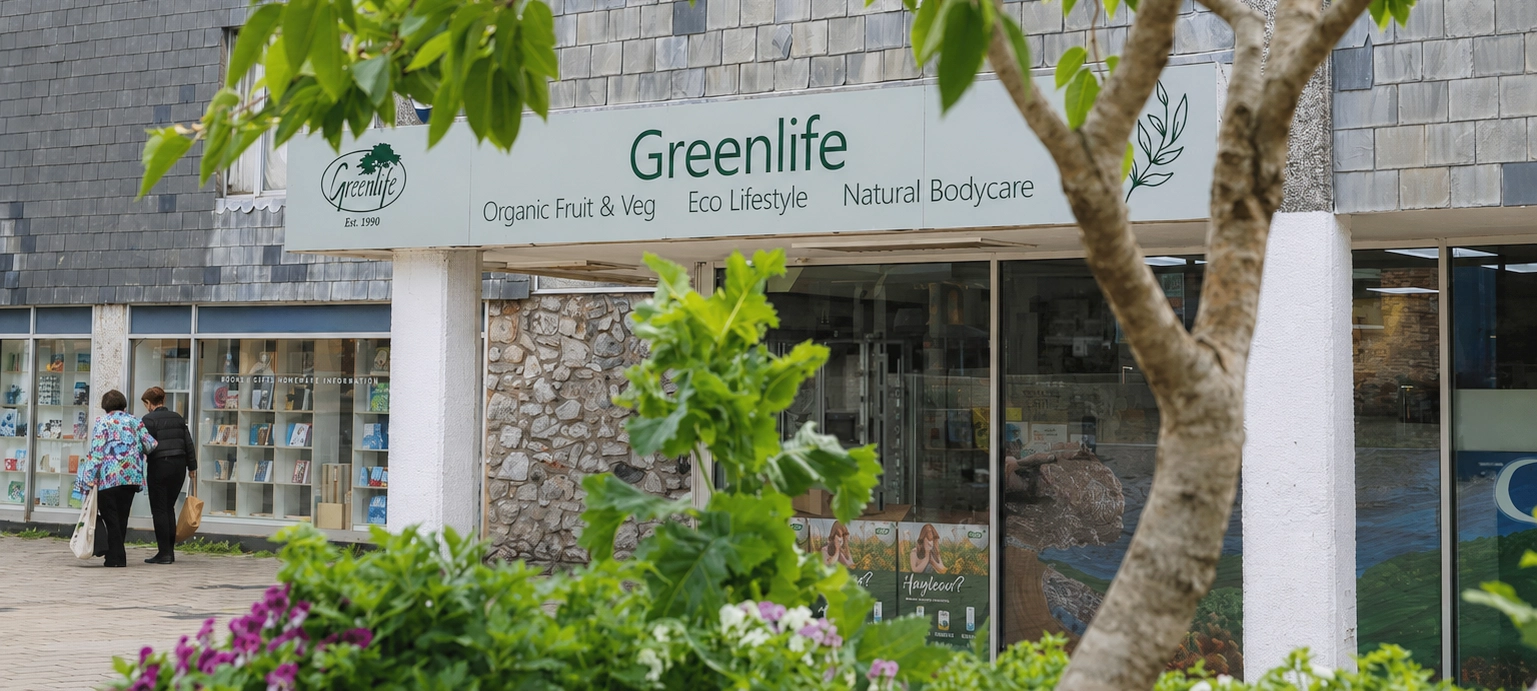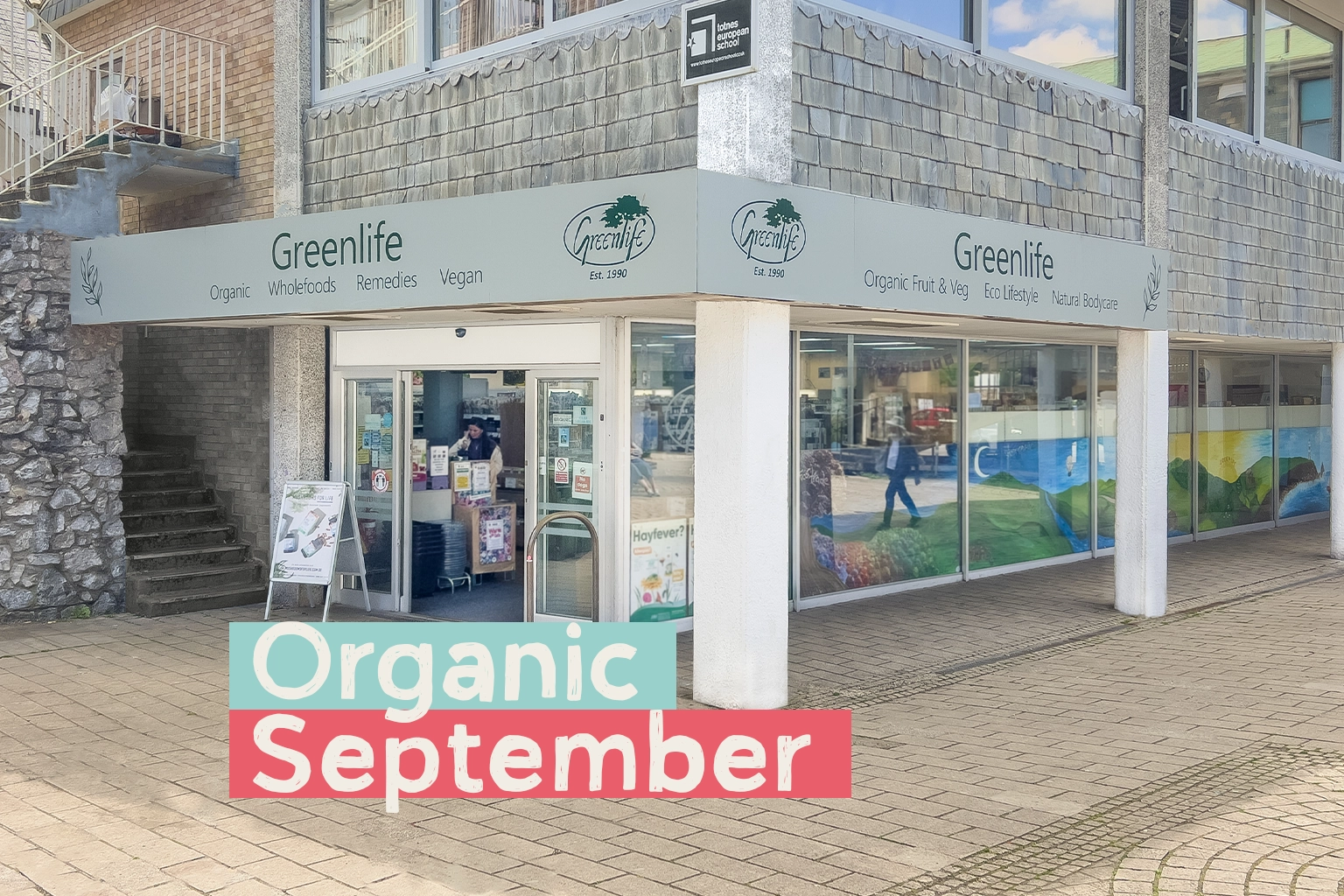
September is a wonderful time to celebrate food. The changing season brings British apples, squash, roots, leafy greens and plenty of other produce from the late-summer and early-autumn harvest.
It is also Organic September: an opportunity to think a little more about where our food comes from, how it is grown and what the word organic really means.
At Greenlife, organic is not something we bring out for one month and put away again in October. Since we opened in Totnes in 1990, it has been an important part of how we choose products, work with suppliers and serve our community. Organic September simply gives us a good reason to share that story.
What is Organic September?
Organic September is an annual campaign led by the Soil Association. Throughout the month, farmers, producers, brands and independent shops across the UK celebrate organic food, farming and everyday living.
The campaign is not about being perfect or changing everything in your shopping basket overnight. It is about understanding the choices available and trying a little more organic where it works for you. That might mean changing one regular purchase, choosing seasonal organic vegetables or simply learning how to recognise a trusted certification symbol.
Where did it come from?
The Soil Association was founded in 1946 by people who were concerned about soil health, animal welfare and the effects of increasingly intensive farming on the countryside. It published its first organic standards in 1967 and established an independent certification scheme in 1973.
The organisation’s original Organic Fortnight later became the month-long Organic September campaign in 2013. Although the campaign has evolved over the years, its central purpose remains straightforward: helping more people understand organic farming and the choices it offers.
What does certified organic mean?
When it comes to food and drink in the UK, organic is a legally regulated term. It cannot simply be added to packaging because a product appears natural or wholesome. Organic food must meet defined standards and be independently certified.
Those standards cover areas such as soil management, the use of pesticides and fertilisers, genetically modified ingredients, animal welfare and traceability. Organic farming aims to work with natural systems by building fertile soil, rotating crops and relying less on artificial inputs.
Certification does not mean that a product is automatically local, plastic-free or completely pesticide-free. It does, however, give shoppers an independently checked standard and a clearer idea of how the food has been produced.
Why does organic matter?
Everything begins with the soil. Healthy soil holds water, stores carbon, cycles nutrients and supports the organisms that help plants grow. Organic farmers build fertility through methods such as crop rotation, compost and green manures rather than relying on manufactured nitrogen fertilisers.
Organic farming can also create more room for nature. A major peer-reviewed study found that organic farming supported around 30% greater species richness, on average, than conventional farming, although the results varied according to the crop, wildlife group and surrounding landscape.
For organic meat, dairy and eggs, certification also brings defined animal welfare requirements, including more space, access to the outdoors and conditions that allow animals to express their natural behaviour.
Organic is not the only consideration when choosing food. Seasonality, locality, packaging, waste and fair trading matter too. We see certification as a useful and trustworthy starting point rather than the answer to every question.
Organic at Greenlife, all year round
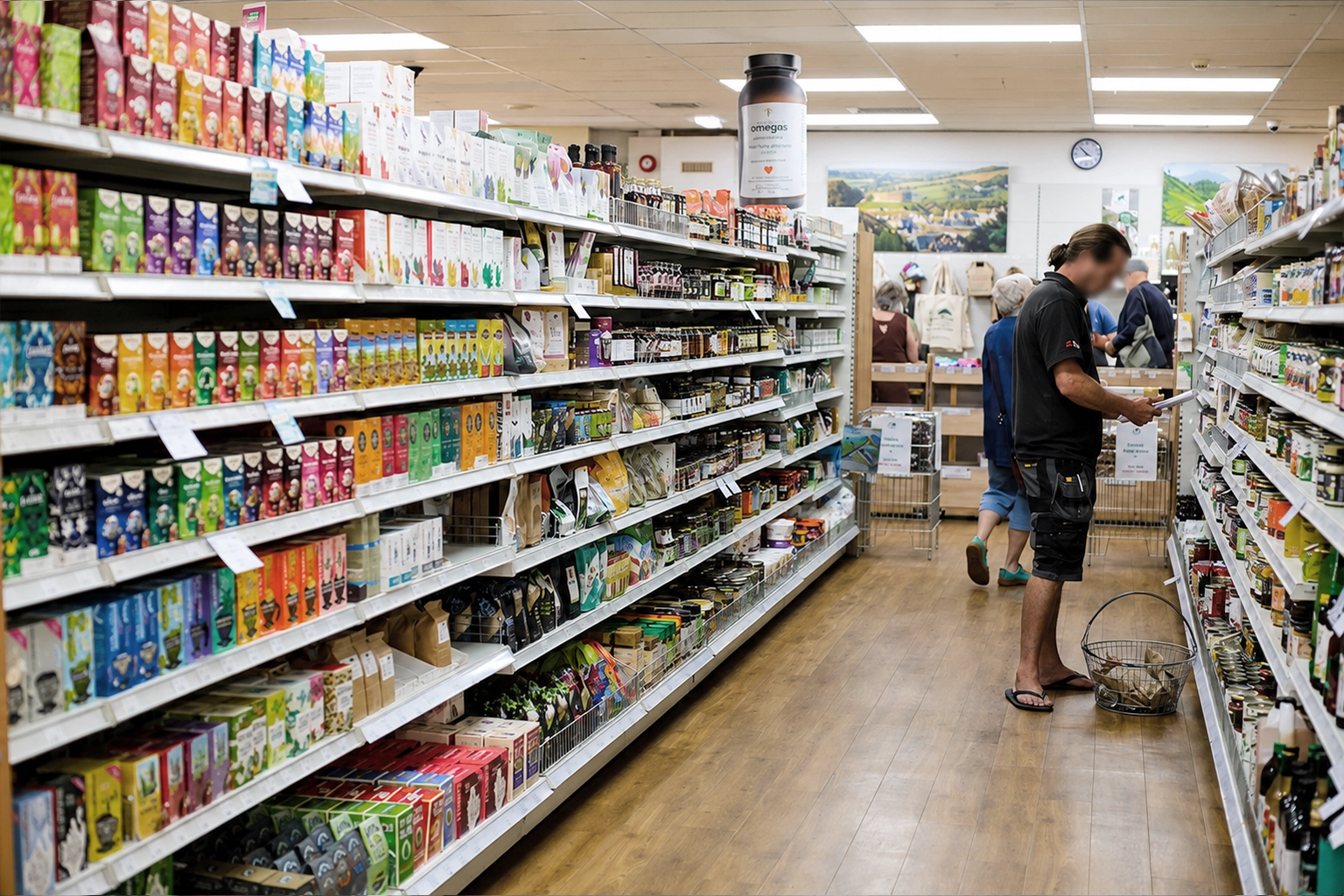
Organic September reflects something we work on every day at Greenlife: keeping our shelves filled with a broad and interesting selection of certified organic products. That variety takes ongoing work with suppliers — maintaining trusted favourites, finding new options and adapting to changing availability.
Our range reaches across the shop. It includes everyday store-cupboard essentials, wholefoods, teas and coffees, snacks, drinks, chilled and frozen foods, dairy products and plant-based alternatives, as well as independently certified organic options within our bodycare ranges. Availability naturally changes as new products arrive and seasons move on, but offering genuine choice remains central to what we do.
We want customers to be able to choose organic in a way that suits their household, preferences and budget. For one person, that might be an organic loaf or bag of oats. For someone else, it could be coffee, milk, chocolate, herbs, skincare or the ingredients for a complete meal. Having variety on the shelves makes those choices easier and allows people to begin wherever feels most useful to them.
Local and organic wherever possible
Supporting local suppliers has always been part of the Greenlife ethos. We work with farms, growers and producers in Devon and the wider South West wherever we can, including businesses making certified organic food close to home.
As an independent shop, we value the relationships we can build with smaller suppliers. They help us learn more about the products we sell, introduce our customers to interesting local businesses and keep a varied selection on our shelves.
A 100% organic fruit and veg section
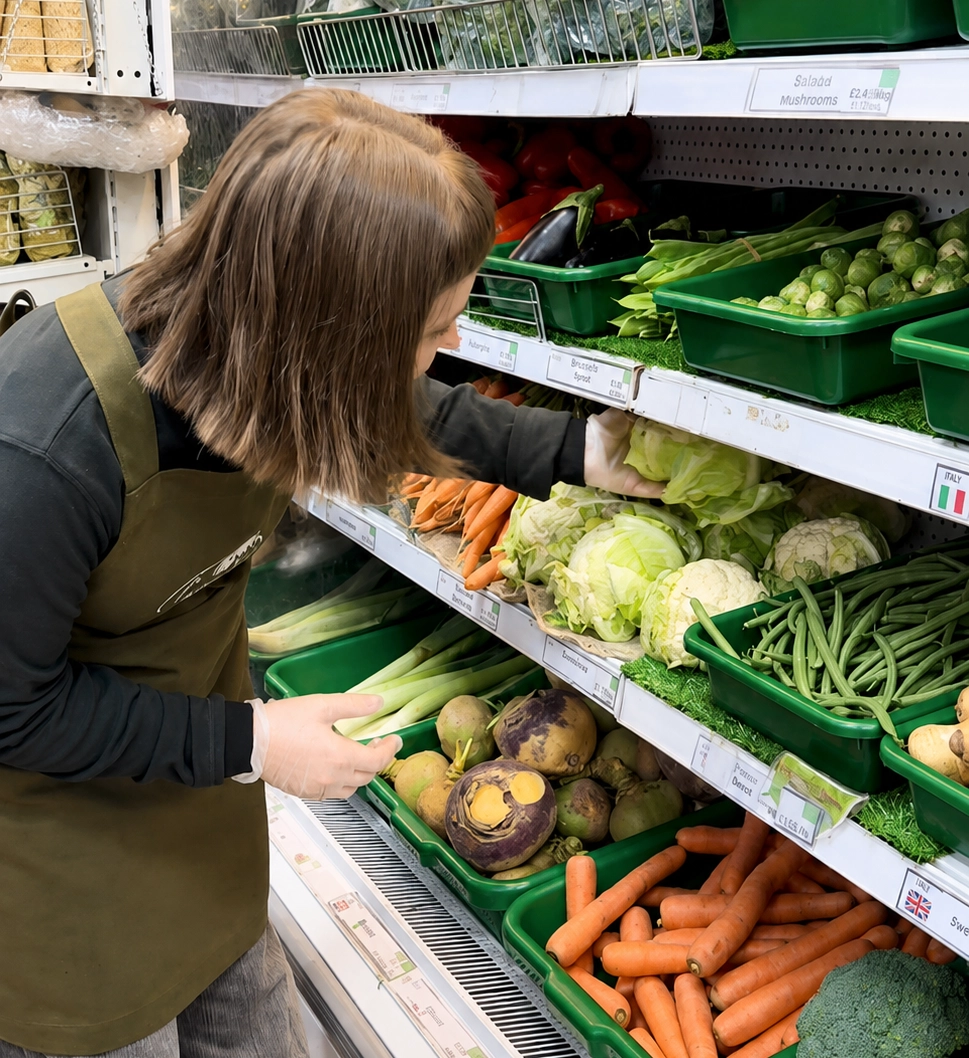
One part of the shop we are especially proud of is our fruit and vegetable department, where all the fresh produce is certified organic.
Much of the seasonal produce comes from farms and growers in Devon. What is available changes throughout the year, following harvests and growing conditions. That means the section is never quite the same from one season to the next — and that is part of its appeal.
Behind this ever-changing display is our dedicated fruit and veg team, whose knowledge, care and hard work keep the department fresh, colourful and beautifully presented through every season.
In September, locally and British-grown apples, squash, roots and leafy vegetables often take centre stage. Alongside familiar favourites, our direct relationships with growers can sometimes bring in varieties that are less commonly found in larger shops.
For our customers, a fully organic fruit and veg section makes shopping simpler. You can explore the colours and flavours of the season knowing that everything in the department has been grown to recognised organic standards.
A few simple ways to try more organic
You do not need to replace everything at once. Small, practical choices are often the easiest place to begin:
- Choose one product you buy regularly and try the certified organic version.
- Follow the seasons, particularly when buying fruit and vegetables.
- Look for a recognised organic certification symbol rather than relying on words such as natural.
- Compare prices by weight and buy only the quantity you need.
- Plan meals and use your freezer to help reduce food waste.
- Ask our team if you would like help finding an organic option or understanding a label.
More than a month-long celebration
Organic September may provide the spotlight, but supporting organic farmers and producers is a year-round commitment for us.
We will continue making the effort to offer a varied range of certified organic products, support local and regional suppliers wherever possible, and maintain a fruit and vegetable department that is 100% organic.
If you are in Totnes, come and have a look around Greenlife in Market Square. Whether you already choose organic regularly or simply want to try one new product, you are always welcome to browse, ask questions and find an option that works for you.